


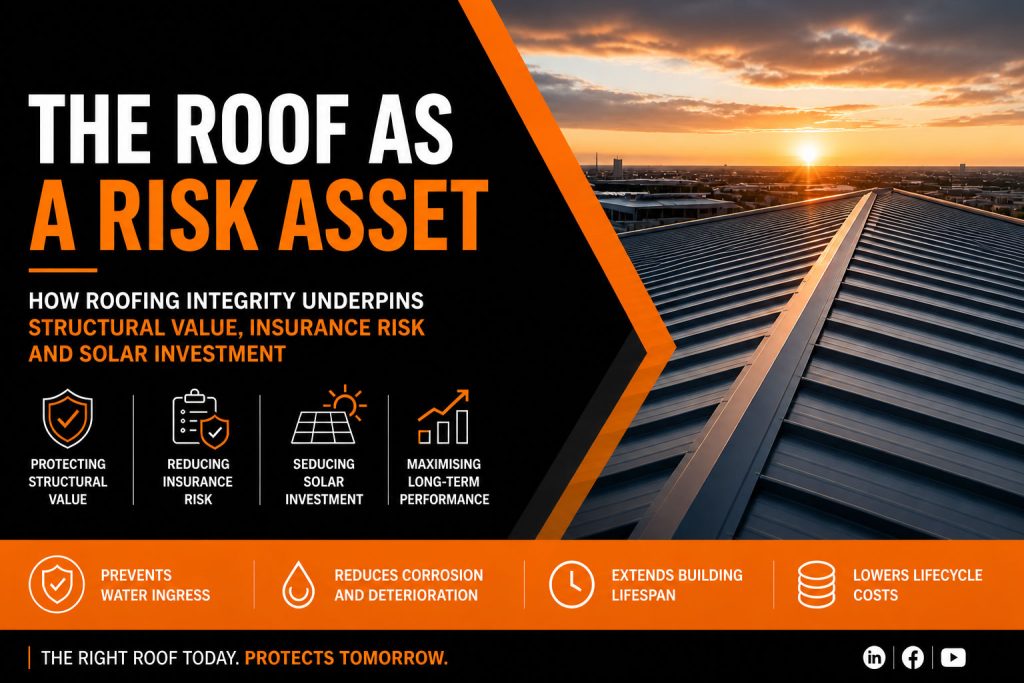
In commercial and industrial construction, roofing systems are often viewed as long-term building components expected to perform for twenty to twenty-five years. On paper, many systems appear compliant and suitable for the intended application. The reality on site, however, is very different.
Across South Africa, project teams are increasingly dealing with roofing systems that begin to fail far earlier than anticipated. In many cases, the issue is not simply the material itself, but rather how the roofing profile, fixing system, installation quality, and overall roof design perform under real-world conditions over time.
This is changing how developers, engineers, architects, facilities managers, and asset owners approach roofing specification.
A roof is no longer just a weather covering. It is a critical structural and operational interface that directly influences building performance, water ingress risk, operational continuity, and the long-term success of investments such as commercial solar systems.
Roofing Systems Are Being Asked to Do More
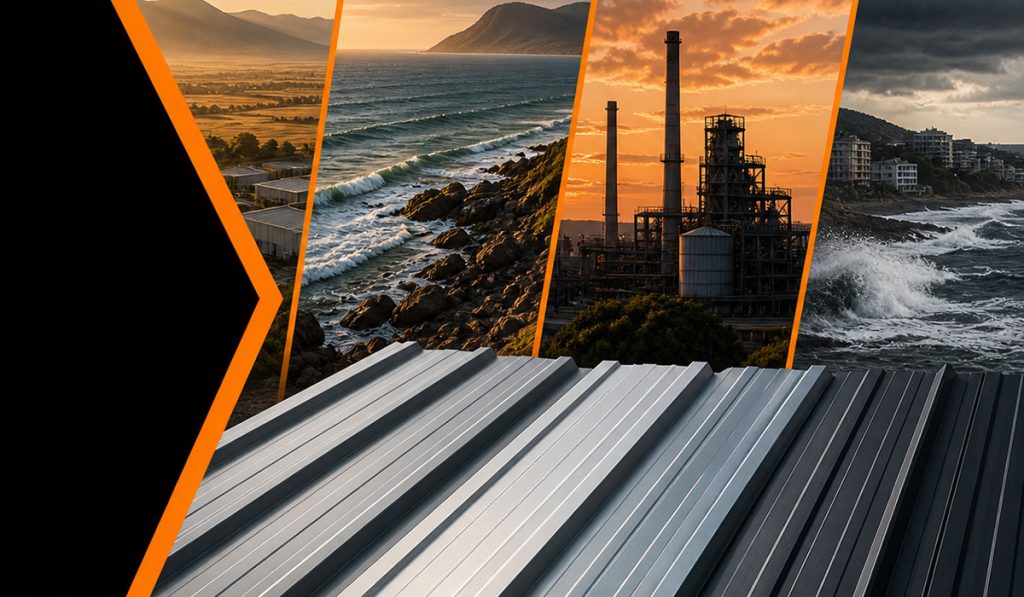
Modern roofing systems operate under constant environmental pressure. Wind uplift, wind-driven rain, thermal expansion, structural movement, and environmental exposure all place ongoing stress on the roof assembly.
Under ideal conditions, many roofing systems perform well initially. The true challenge only becomes visible over time, particularly when buildings are exposed to severe weather conditions or operational demands that test the integrity of the roof profile and fixing system.
This is why roofing specification has become increasingly important in the commercial and industrial sectors.
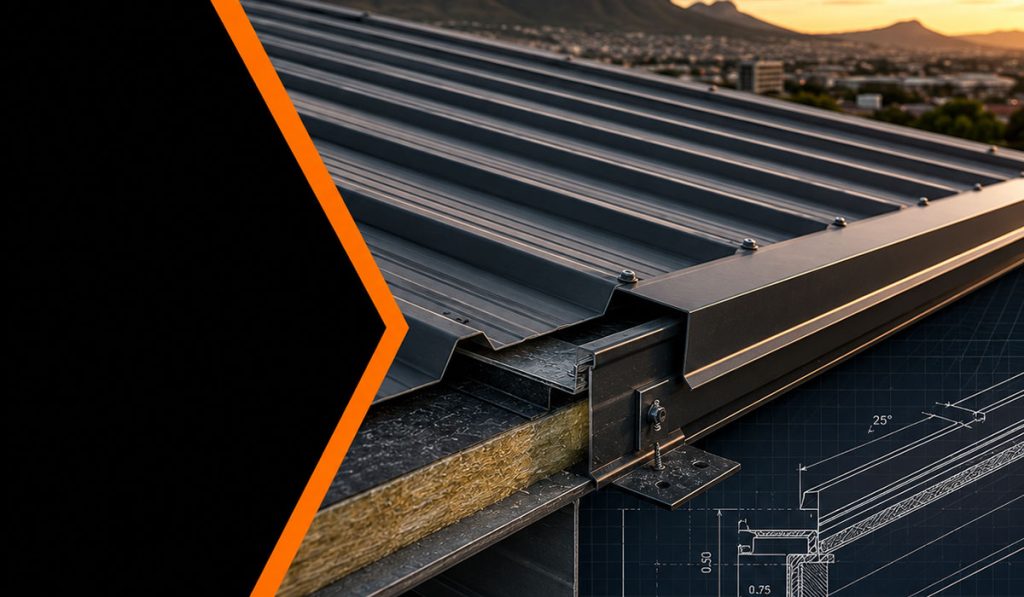
The performance of the roof profile, the clip system, lap integrity, and the interaction between the roof sheet and the supporting structure all influence the system’s long-term watertightness and durability.
In many cases, roofing failures do not happen immediately. They develop gradually over years through small but compounding issues such as movement around fixing points, loss of watertightness at laps, poor clip engagement, or inadequate allowance for thermal expansion.
What is assumed to be a twenty-year roofing solution can quickly become a five to ten-year problem when specification, profile selection, or installation quality is compromised.
Water Ingress Remains One of the Biggest Roofing Risks
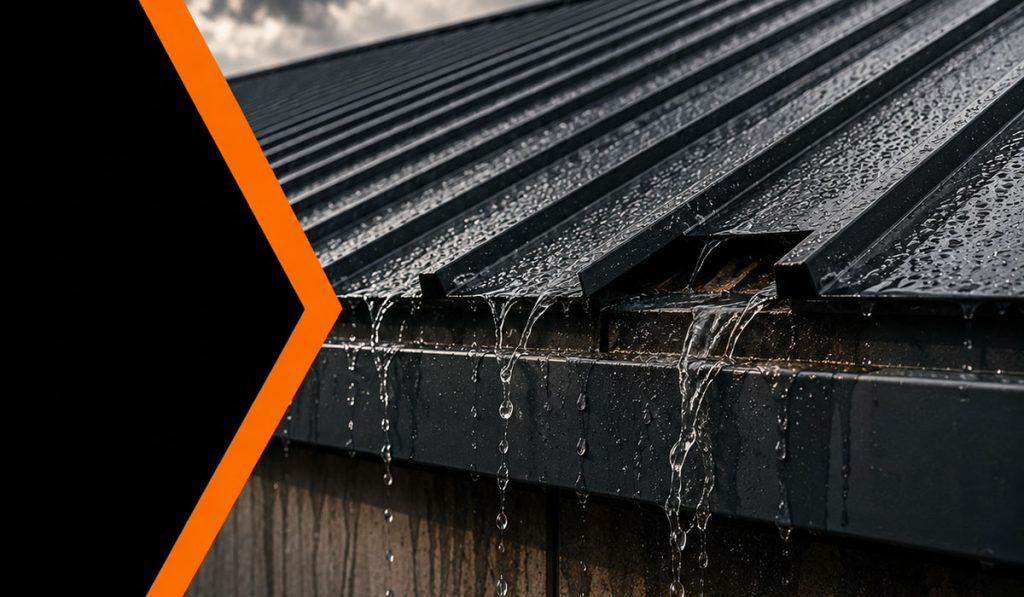
In commercial roofing environments, water ingress remains one of the most significant long-term risks for building owners and operators.
Once water penetrates the roofing system, the consequences extend far beyond the roof itself. Moisture intrusion can damage insulation systems, ceilings, electrical infrastructure, tenant spaces, equipment, finishes, and operational areas within the building.
In shopping centres, logistics facilities, warehouses, and industrial developments, the impact is often both operational and financial. Roofing failure can interrupt trading activity, affect tenants, disrupt productivity, and create costly downtime that extends well beyond the physical repair of the roof.
This is why the conversation around roofing systems is shifting away from purely material-based discussions and moving toward overall system performance under adverse conditions.
Asset owners and facilities teams are increasingly recognising that the true cost of roofing failure is rarely just the roof replacement. The larger concern is the consequential damage and operational disruption that follows.
Roof Profile Performance Plays a Critical Role
One of the most important considerations in commercial roofing design is how the roof profile performs under movement, pressure, and environmental exposure over time.
Roof profile performance influences:
- Wind uplift resistance
- Side lap and end lap integrity
- Water tightness under pressure
- Structural interaction
- Thermal movement accommodation
- Long-term system stability
This becomes particularly important on large-span commercial roofs, where movement and environmental loads impose ongoing stress on the roofing assembly.
Even where the correct roofing profile is selected, poor or inexperienced workmanship can significantly compromise performance. Incorrect clip installation, inadequate waterproofing practices, poor fastener alignment, and inconsistent installation methods often create weaknesses that only become visible years after project completion.
This is why roofing specification, and installation quality must be treated as interconnected decisions rather than separate considerations.
Commercial Solar Has Changed Roofing Decisions
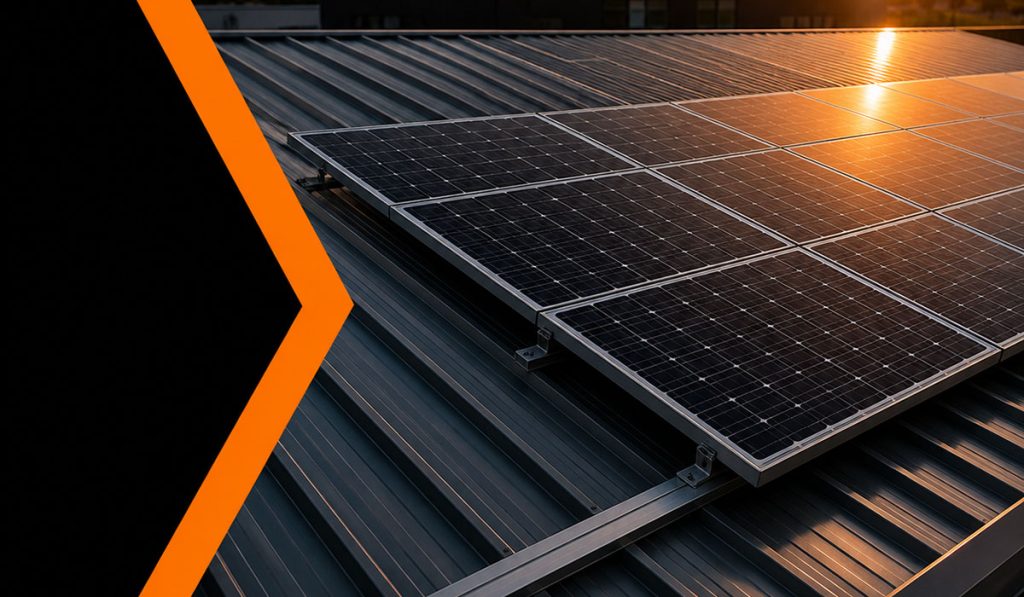
The rapid growth of commercial solar installations across South Africa has introduced a new level of scrutiny around roofing performance and lifecycle alignment.
Solar systems are typically designed with long-term performance expectations of 20 to 25 years. This means the roof beneath the system must be capable of matching or exceeding that lifecycle.
If the roofing system fails prematurely, the financial and operational implications become substantial.
Replacing a roof beneath an installed solar system requires removing panels, mounting systems, and associated infrastructure before the roof replacement can even begin. Once the new roof is installed, the solar system must then be reinstalled and recommissioned.
This process significantly increases labour costs, operational downtime, and overall project disruption.
Across South Africa, refurbishment projects are increasingly addressing roofing systems before solar installations proceed. In many cases, the decision is driven by concerns around long-term profile performance, watertightness, and lifecycle alignment. Asset owners are recognising that replacing a roof after solar installation dramatically increases financial exposure and operational disruption.
As a result, roofing systems are now being evaluated far more critically during the early design and specification stages of commercial projects.
Roofing Specification Is a Long-Term Financial Decision
The most important roofing decisions are made long before installation begins.
By the time construction starts, critical choices around roof profile selection, fixing systems, environmental suitability, and lifecycle expectations have already been established.
Correct specification allows project teams to align roofing systems with:
- Environmental exposure conditions
- Structural requirements
- Solar integration strategies
- Long-term performance expectations
- Operational continuity requirements
Late-stage substitutions, poor installation practices, or incorrect assumptions may reduce upfront costs initially, but they often introduce significantly greater long-term financial risk.
The reality is simple. The cost of getting roofing specification and installation right from the outset is significantly lower than the cost of addressing failure years later.
In today’s commercial construction environment, roofing systems should no longer be viewed as commodity products. They are long-term performance systems that directly influence the building’s value, functionality, and operational resilience.
Technical Roofing Support from Youngman Roofing and Insulation
Youngman Roofing and Insulation supports project teams during the design and specification stages with technical guidance on roof profile selection, environmental exposure considerations, roofing and solar integration, and long-term lifecycle planning.
Access technical resources, datasheets, and roofing guidance here:
www.youngman.co.za/resource-hub/
For project support and specification assistance: Contact Us