


When planning a metal roofing or cladding project, most attention is naturally focused on the roof sheeting, insulation and supporting structure. These are the components people see, compare and specify. Yet one of the smallest components on the roof can have one of the biggest influences on its long-term performance.
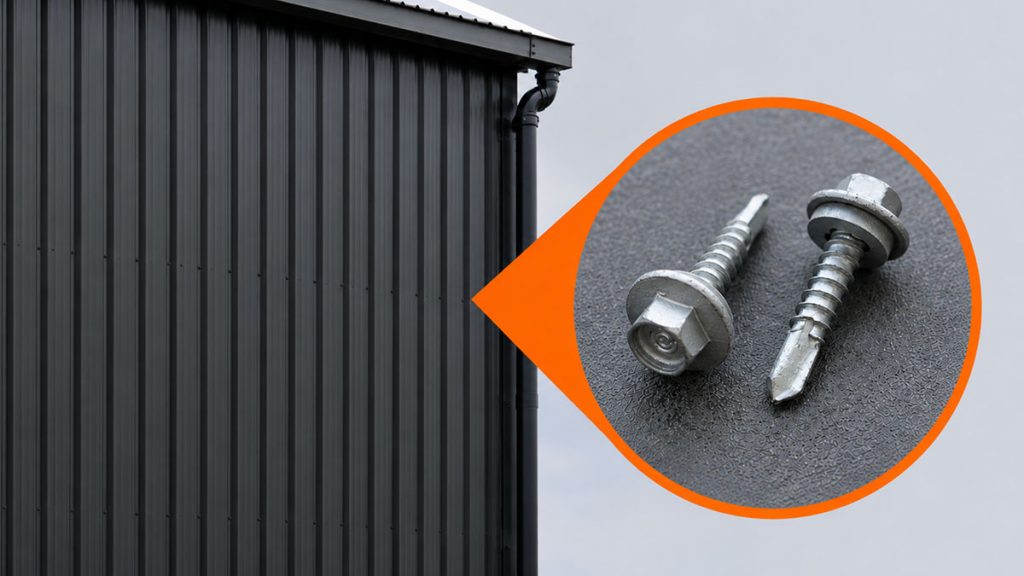
Roof fasteners, often referred to as roofing screws or roof screws, are responsible for securing the entire roofing system to the supporting structure. Although they typically account for less than 3% of the overall roofing package, they play a vital role in protecting the roof against wind uplift, thermal movement, weather exposure, and water ingress.
Choosing the wrong roofing screws may not seem significant during installation, but the consequences often become apparent years later. Premature corrosion, roof leaks, loose roof sheeting and costly maintenance are frequently linked to incorrect fastener selection or poor compatibility between the fastener and the roofing material.
Whether you are an architect, engineer, quantity surveyor, contractor, installer or homeowner planning a new roof, selecting the correct roof fasteners is essential to ensuring the roofing system performs as intended throughout its design life.
WHY THE RIGHT FASTENER MAKES ALL THE DIFFERENCE
Every metal roofing system is designed to work as a complete assembly. Roof sheeting, insulation, structural supports and roof fasteners all perform specific functions, and the performance of the roof depends on each component working together.
Roof fasteners do much more than simply hold roof sheets in place.
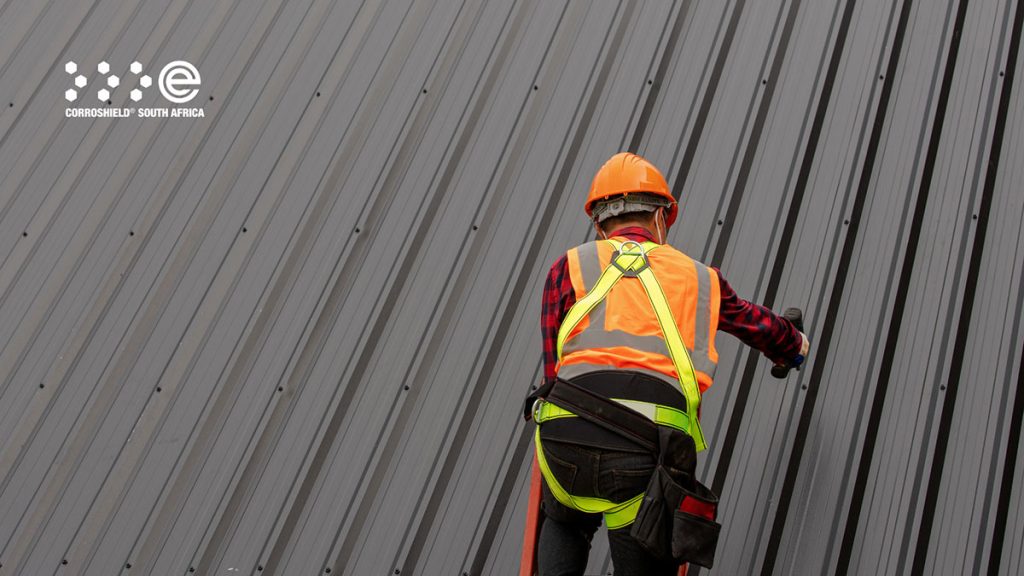
THROUGHOUT THE LIFE OF THE BUILDING, THEY ARE REQUIRED TO:
- Secure the roofing system to timber or steel supports.
- Resist wind uplift and structural movement.
- Allow for the natural expansion and contraction of metal roof sheeting.
- Maintain a weatherproof seal around every fixing point.
- Support the long-term durability of the roofing system.
A single commercial or industrial roof can contain hundreds, and in many cases thousands, of roofing screws. While each fastener is relatively small, together they play a significant role in the structural integrity and weather resistance of the building.
Because roof fasteners represent only a small percentage of the overall roofing cost, they are sometimes selected based on price rather than performance. However, using the wrong roofing screws can compromise even the highest-quality roof sheeting.
INCORRECT ROOF FASTENERS MAY CONTRIBUTE TO:
- Premature corrosion
- Water ingress and roof leaks
- Reduced structural performance
- Loose roof sheeting
- Increased maintenance costs
- Premature roof replacement
Choosing the correct fastening system from the outset helps protect the much larger investment represented by the roof itself.
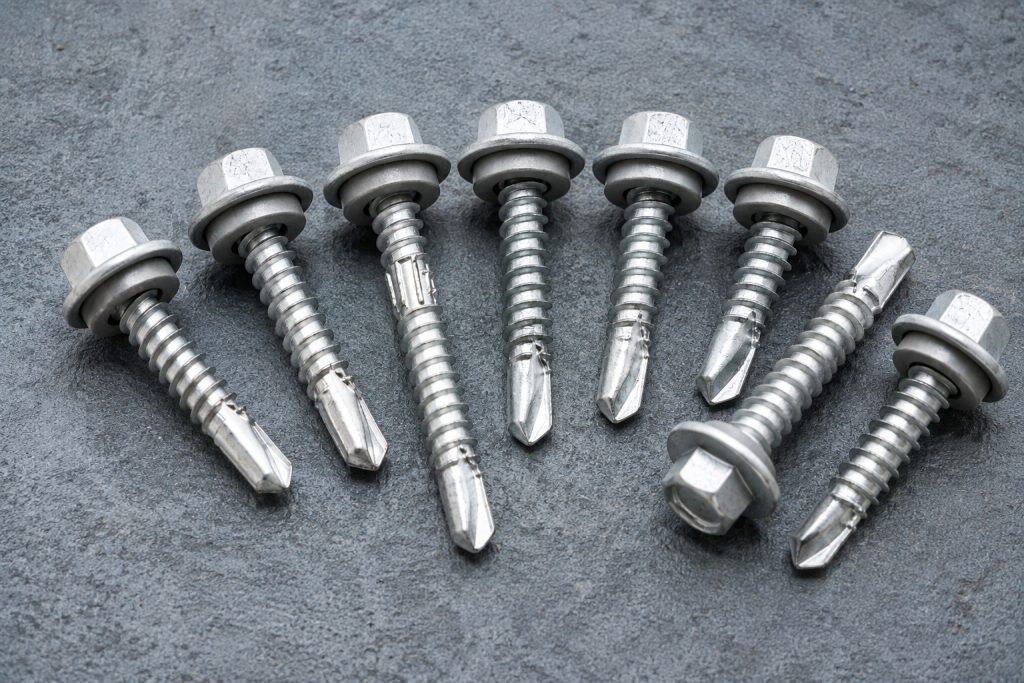
COMPATIBILITY PREVENTS PREMATURE CORROSION
Not all roofing screws are suitable for every roofing system.
One of the most important considerations when selecting roof fasteners is ensuring they are compatible with the roofing material, protective coating and the environment in which the building is located.
Modern roofing systems use a range of materials, including galvanised steel, aluminium-zinc coated steel and premium pre-painted roofing products. Each has been engineered to deliver reliable long-term performance, but that performance can be significantly reduced if incompatible roofing screws are used.
One of the biggest risks is galvanic corrosion.
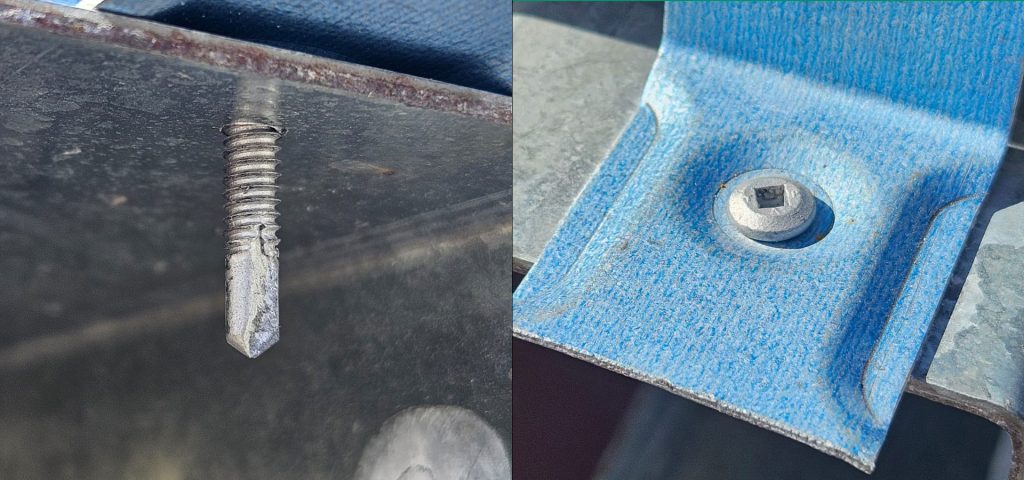
Galvanic corrosion occurs when two dissimilar metals come into contact in the presence of moisture. This creates an electrochemical reaction that causes one metal to corrode more rapidly than the other.
In roofing applications, this often begins around the fixing points. Over time, corrosion can spread to the surrounding roof sheeting, damaging protective coatings, reducing weather resistance and increasing the risk of water ingress.
The effects are rarely immediate. In many cases, problems only become visible several years after the roof has been installed, when corrosion has already affected the long-term performance of the roofing system.
For this reason, roof fasteners should never be selected independently of the roofing material.
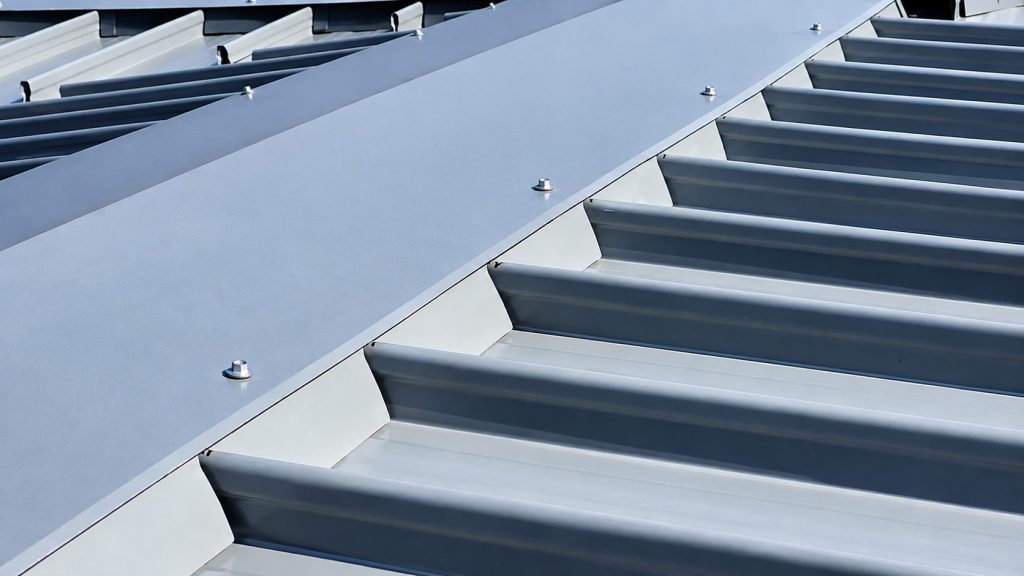
WHEN SPECIFYING ROOFING SCREWS, PROJECT TEAMS SHOULD ALWAYS CONSIDER:
- Compatibility with the roof sheeting.
- The protective coating applied to both the roof sheeting and the fastener.
- The environment in which the roof will operate.
- The supporting substrate.
- The expected design life of the building.
- The manufacturer’s installation recommendations.
A roof is only as reliable as the system used to install it. Selecting compatible roof fasteners helps protect the complete roofing assembly, supporting greater durability, improved weather resistance and long-term performance.
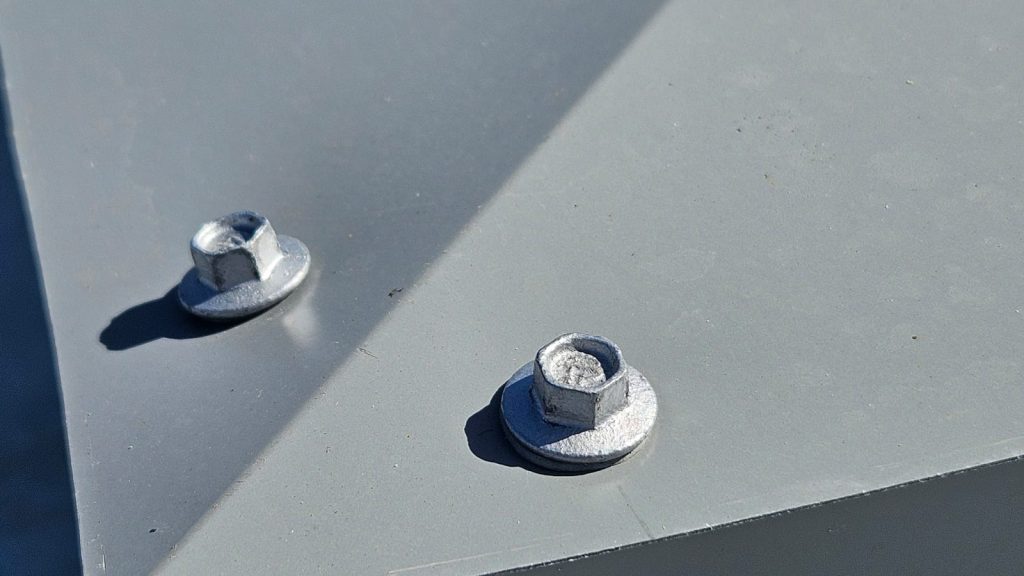
MATCHING FASTENERS TO THE ENVIRONMENT
Selecting compatible roofing screws is only part of the specification process. Environmental conditions also play a significant role in determining which roof fasteners are best suited to a particular project.
South Africa’s diverse climate presents a wide range of exposure conditions. A commercial building in Johannesburg experiences very different environmental stresses to a coastal development in Cape Town or an industrial facility located near a mining operation.
Moisture, airborne salts, industrial pollutants and chemical exposure all influence the rate at which corrosion can occur. Specifying roof fasteners that are suited to these conditions helps protect the roofing system and contributes to its long-term durability.
BEFORE SELECTING ROOFING SCREWS, PROJECT TEAMS SHOULD EVALUATE:
- The geographical location of the project.
- Coastal or inland exposure.
- Industrial or agricultural environments.
- Humidity and rainfall.
- The expected service life of the building.
By considering these factors during the specification stage, the fastening system can be matched to the environment in which it will perform.
UNDERSTANDING CLASS 3 AND CLASS 4 ROOF FASTENERS
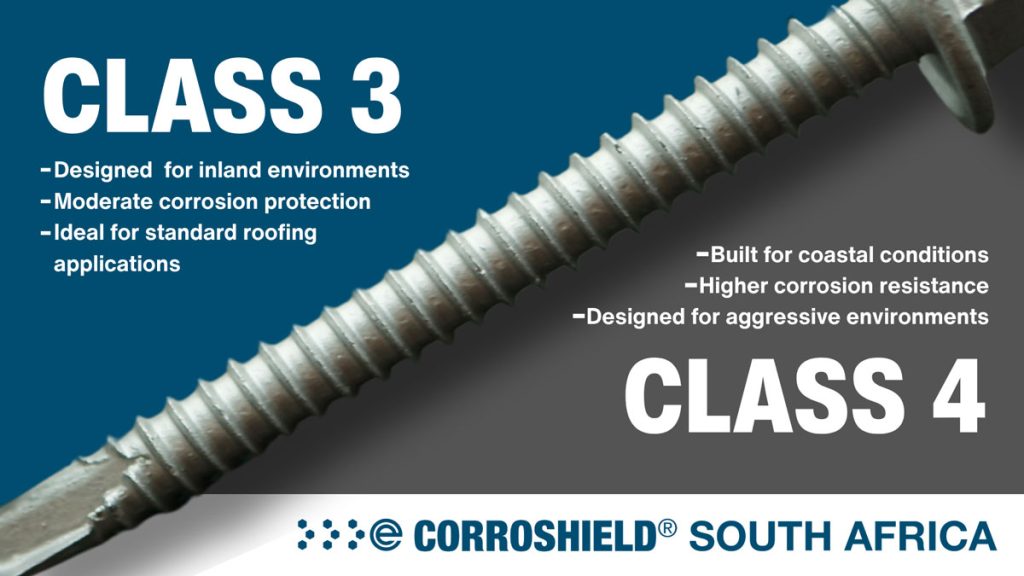
Roof fasteners are commonly classified according to their corrosion resistance, with Class 3 and Class 4 being the most widely specified for metal roofing and cladding applications.
Class 3 and Class 4 roof fasteners are recognised performance classifications, not product or brand names. These classifications define the level of corrosion resistance a roof fastener is required to achieve when tested against the relevant performance standard.
Compliance with a Class 3 or Class 4 classification provides confidence that the fastener has been independently tested to perform under the environmental conditions for which it has been specified.
CLASS 3 ROOF FASTENERS
Class 3 roof fasteners are designed to comply with the performance requirements for applications where moderate corrosion resistance is required.
They are generally suitable for:
- Inland residential developments
- Commercial buildings
- Warehouses
- Rural applications
- Urban environments with moderate atmospheric corrosion
When correctly specified, Class 3 compliant roof fasteners provide dependable long-term performance in these environments.
CLASS 4 ROOF FASTENERS
Class 4 roof fasteners are designed to comply with a higher level of corrosion resistance for more demanding environments.
They are recommended for:
- Coastal developments
- Marine environments
- Heavy industrial facilities
- Mining operations
- Agricultural buildings
- Areas exposed to airborne salts or chemical pollutants
Because these environments place significantly greater demands on roofing systems, Class 4 compliant fasteners are designed to deliver the level of corrosion resistance expected for these conditions.
When specifying roof fasteners, the focus should not simply be on whether a product is labelled as Class 3 or Class 4. The important consideration is whether the fastener has been tested and shown to comply with the relevant performance classification. Where appropriate, project teams should request supporting test results or certification confirming compliance with the specified classification.
Selecting a roof fastener that complies with the appropriate Class 3 or Class 4 performance classification helps ensure the fastening system is matched to the environment while supporting the long-term durability of the roofing system.
PROTECTING THE BUILDING FOR THE LONG TERM
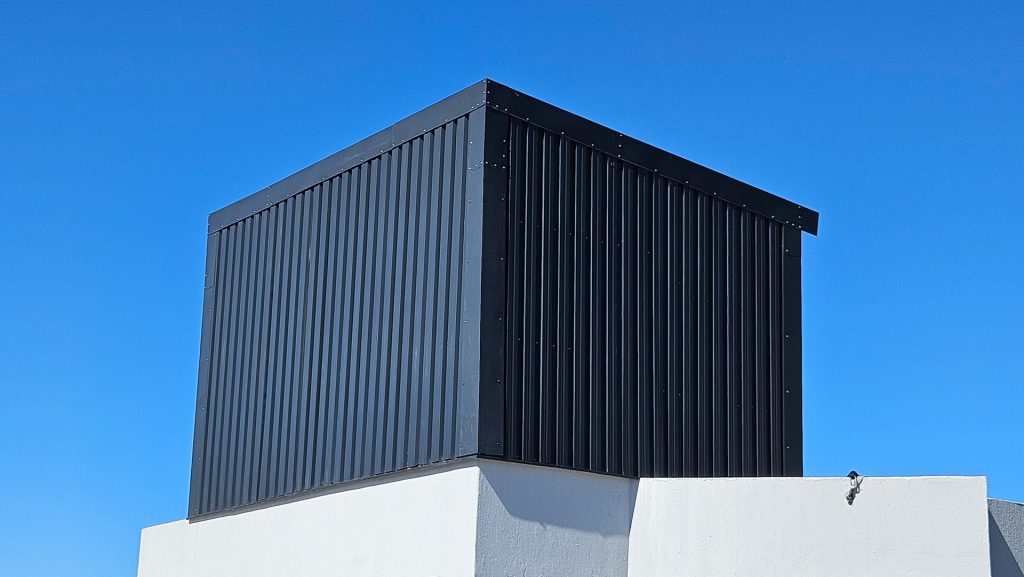
A quality roofing system is designed to protect a building for decades, making every component within the system important.
While roof sheeting provides the primary weather barrier, roof fasteners are responsible for maintaining that protection at every fixing point.
Each roofing screw creates a penetration through the roof sheeting. If that penetration is not correctly sealed, it can become a pathway for moisture, increasing the risk of corrosion, water ingress and ongoing maintenance issues.
For this reason, the sealing washer is just as important as the roofing screw itself.
High-quality EPDM (Ethylene Propylene Diene Monomer) washers are specifically manufactured for roofing applications because they remain flexible despite prolonged exposure to ultraviolet radiation, temperature fluctuations and harsh weather conditions.
Unlike lower-quality plastic washers that can crack, shrink, or become brittle over time, EPDM washers maintain a durable, weatherproof seal that helps prevent water ingress throughout the roof’s service life.
A complete fastening system should therefore include:
- Corrosion-resistant roofing screws.
- Compatible protective coatings.
- High-performance EPDM sealing washers.
- Roofing materials suited to the environment.
- Correct installation practices.
When these components work together, they help minimise maintenance, reduce the risk of premature failure and improve the overall durability of the roofing system.
Selecting the correct roof fasteners is also an important consideration in protecting premium roofing materials. Many roofing products are supported by manufacturer-backed warranties covering corrosion resistance, paint integrity and colour stability. Using compatible, compliant fastening systems helps support the long-term performance expected from these materials while protecting the value of the building.
CHOOSING A COMPLIANT FASTENING SYSTEM
Selecting the correct roof fastener involves more than choosing the appropriate size, coating or corrosion classification. It also requires confidence that the fastening system has been independently tested and demonstrated to comply with the performance requirements of the relevant classification standard.
When evaluating roofing screws or roof fasteners, project teams should look beyond product claims and request supporting test reports or certification confirming compliance with the required performance classification. This provides confidence that the fastener has been assessed to perform under the environmental conditions for which it has been specified.
A COMPLIANT FASTENING SYSTEM SHOULD OFFER:
- Verified corrosion resistance.
- Compatibility with the specified roofing material.
- Suitability for the intended environmental conditions.
- Consistent manufacturing quality.
- Long-term durability supported by independent testing.
Youngman Roofing & Insulation supplies Corroshield® roof fasteners, engineered specifically for metal roofing and cladding applications. Available in both Class 3 and Class 4 performance classifications, Corroshield fasteners undergo rigorous testing to verify corrosion resistance, strength and durability, giving architects, engineers, contractors and installers confidence that they are specifying fastening systems designed to perform in demanding South African conditions.
Whether the project is located inland, within a coastal environment or in a heavy industrial area, selecting a compliant fastening system helps protect the integrity of the roofing installation while supporting reliable long-term performance.
QUESTIONS WE FREQUENTLY RECEIVE
WHY ARE ROOF FASTENERS SO IMPORTANT?
Roof fasteners secure the roofing system to the supporting structure while resisting wind uplift, thermal movement and environmental exposure. Their performance directly influences the durability, weather resistance and service life of the complete roofing system.
CAN THE SAME ROOFING SCREWS BE USED ON EVERY PROJECT?
No. Roofing screws should always be selected according to the roofing material, supporting substrate, environmental conditions and required corrosion resistance. Different roofing applications require different fastening solutions.
IS CLASS 3 AND CLASS 4 THE SAME PRODUCT?
No. Class 3 and Class 4 are recognised performance classifications, not product or brand names.
They define the level of corrosion resistance that a roof fastener is required to achieve when tested against the relevant performance standard. Compliance with these classifications demonstrates that the fastener has been independently tested to meet the expected level of performance for specific environmental conditions.
When specifying roof fasteners, it is good practice to request supporting test reports or certification confirming compliance with the required classification. This helps ensure the selected fastening system is suitable for the environment in which it will be installed.
WHAT IS THE DIFFERENCE BETWEEN CLASS 3 AND CLASS 4 FASTENERS?
Class 3 fasteners are generally suited to inland environments where corrosion exposure is moderate. Class 4 fasteners provide a higher level of corrosion resistance and are recommended for coastal, marine and heavy industrial applications where environmental conditions are more severe.
WHY ARE EPDM WASHERS RECOMMENDED?
EPDM washers maintain a durable weatherproof seal around each fixing point. They remain flexible under prolonged UV exposure and changing temperatures, helping to prevent water ingress throughout the service life of the roof.
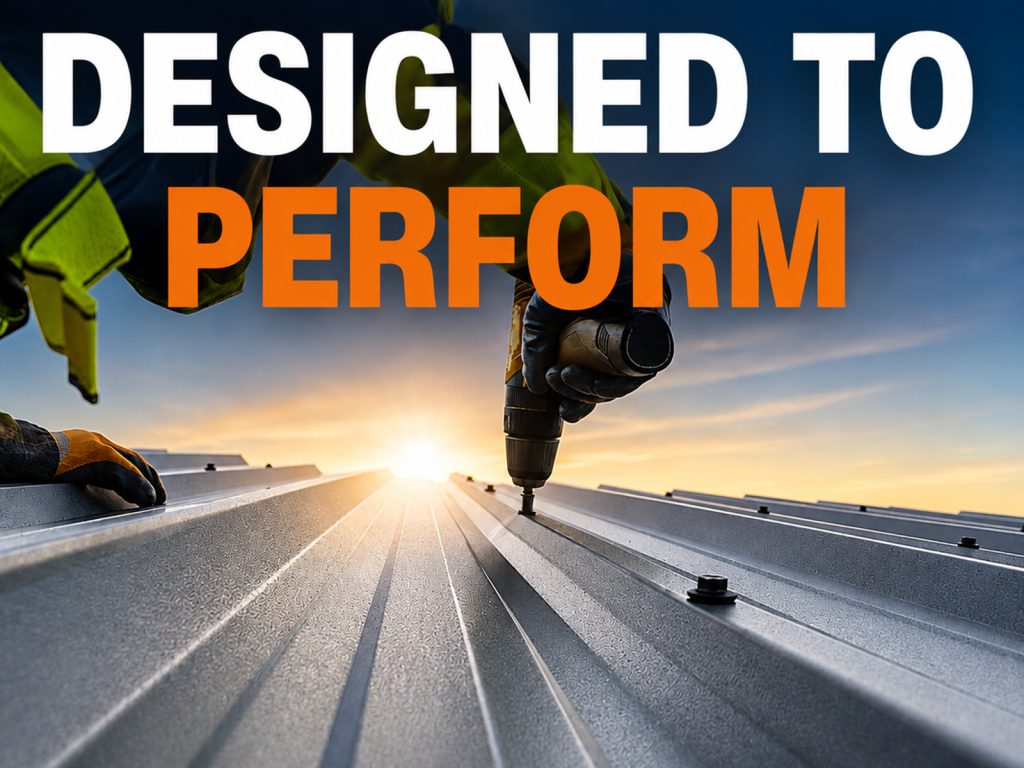
BUILDING CONFIDENCE THROUGH TECHNICAL EXPERTISE
Every roofing project represents a significant investment, making specification decisions critical to the long-term performance of the building.
While roof sheeting and insulation often receive the greatest attention, roof fasteners play an equally important role in ensuring the roofing system performs as designed. Selecting compatible, compliant and high-quality roof fasteners helps protect the roofing system against corrosion, supports structural integrity and contributes to reduced maintenance throughout the building’s lifecycle.
At Youngman Roofing & Insulation, we work alongside architects, engineers, quantity surveyors, contractors and installers to help ensure every roofing specification is supported by the correct fastening solution. By combining technical expertise with quality products and practical guidance, we help project teams specify roofing systems that are designed to perform for decades.
TECHNICAL ROOFING SUPPORT FROM YOUNGMAN ROOFING & INSULATION
Youngman Roofing & Insulation provides technical support throughout the roofing specification process, assisting with:
- Roof profile selection
- Roof fastener and roofing screw selection
- Material compatibility assessments
- Environmental exposure considerations
- Roofing and insulation system selection
- Technical documentation and product guidance
Whether you are designing a new roofing system or reviewing an existing specification, our technical team can assist in selecting the most appropriate roofing solution for your project.
ABOUT YOUNGMAN ROOFING & INSULATION
For more than 35 years, Youngman Roofing & Insulation has supplied metal roofing systems, concealed-fix roofing solutions, insulation and roofing accessories across South Africa.
Supporting commercial, industrial, retail and residential projects, Youngman works alongside architects, engineers, quantity surveyors, contractors and project teams with technical expertise and practical guidance throughout the design, specification and construction process.
With established manufacturing capabilities and a strong focus on quality, service and long-term performance, Youngman helps customers select roofing and insulation solutions suited to the specific requirements of each project.
View our Corroshield® roof fastener range here:
www.youngman.co.za/corroshield-fasteners/
Access technical resources, datasheets, and roofing guidance here:
www.youngman.co.za/resource-hub/
For project support and specification assistance: Contact Us