


When a roofing specification is issued for tender, it represents far more than a list of products. It reflects weeks of technical evaluation, professional judgement and careful planning to ensure the selected roofing system meets the project’s performance requirements.
Architects, engineers, quantity surveyors and consultants assess numerous factors before specifying a roof profile. Structural design, environmental conditions, wind loading, compliance, thermal performance and long-term durability all influence the final decision.
Once a project moves into procurement, however, the conversation often changes.
Alternative roofing products may be proposed, suppliers present different options, and commercial pressures encourage cost-saving measures. While reviewing alternatives is a normal part of construction, changing a roofing specification without proper technical assessment can compromise the long-term performance of the building.
A roofing specification is not simply a recommendation. It is a technical decision made to protect the integrity of the entire project.
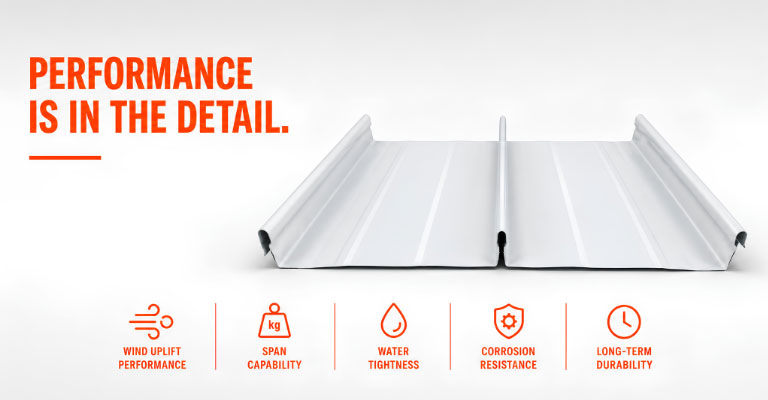
WHY ROOF SPECIFICATIONS ARE DEVELOPED
Every commercial roofing project presents its own challenges.
A roof installed on a coastal development will have different performance requirements than one specified for an inland industrial facility. Likewise, a large distribution centre requires a different roofing solution than a retail development or residential project.
Before Selecting a Roofing Profile, Consultants Carefully Evaluate Factors Such As:
- Structural loading requirements
- Wind uplift performance
- Environmental exposure
- Water tightness
- Thermal efficiency
- Fire compliance
- Maintenance requirements
- Expected service life
Each of these considerations contributes to selecting the most appropriate roofing system for the project.
The specification is therefore developed to achieve long-term building performance rather than simply meeting the immediate construction programme.
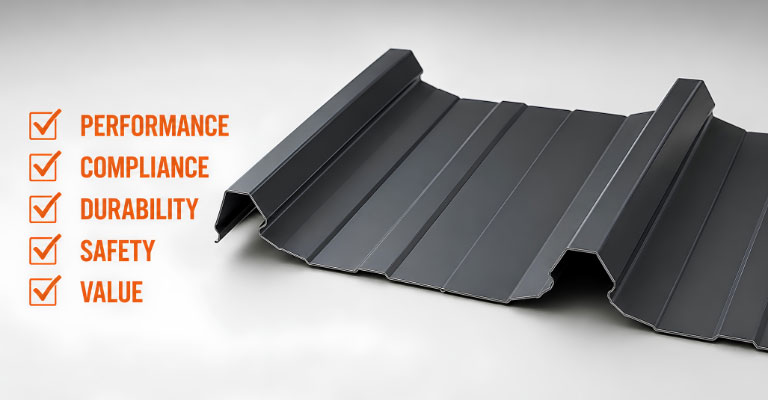
WHY ARE SPECIFICATIONS SOMETIMES CHANGED
After a project has been awarded, it is common for alternative roofing products to be proposed.
Budgets may become tighter; procurement teams look for savings, and suppliers introduce products they believe can deliver a similar outcome at a lower cost.
There is nothing inherently wrong with evaluating alternatives.
In many cases, an alternative roofing system may prove to be technically suitable.
The concern arises when decisions are based primarily on price rather than performance.
A lower purchase price does not necessarily translate into lower lifecycle costs, particularly if the roofing system requires increased maintenance, has a shorter service life or does not perform as originally intended.
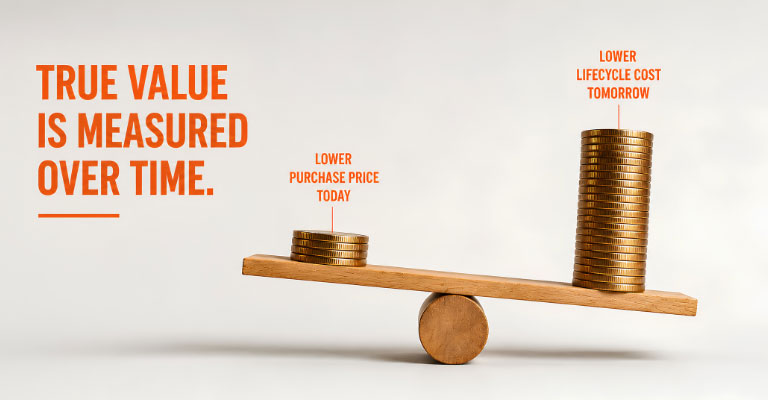
WHY “EQUIVALENT” MUST BE PROVEN
One of the most common statements heard during procurement is:
“It’s basically the same profile.”
In commercial roofing, appearance alone is never enough. Products that look similar may differ significantly in how they perform over time.
Important Differences May Include:
- Wind uplift performance
- Span capability
- Profile geometry
- Water tightness
- Coating system performance
- Corrosion resistance
- Structural rigidity
- Fixing methodology
- Long-term durability
These differences may not be immediately visible after installation, but they often become apparent as the building ages.
The roof ultimately performs according to the product installed, not the product originally specified.
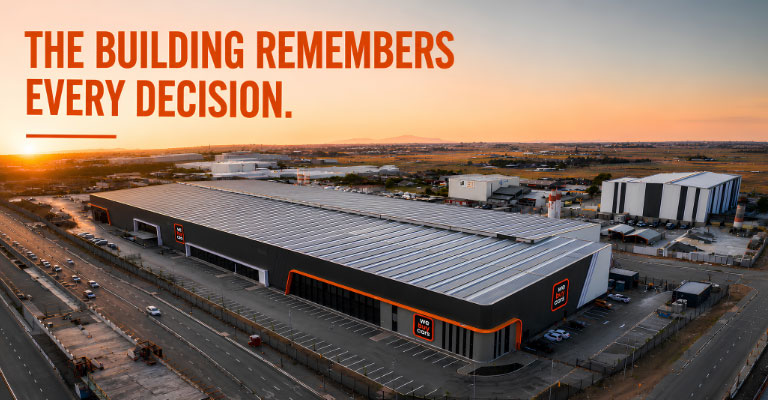
THE BUILDING REMEMBERS EVERY DECISION
Unlike many building components, roofing systems are expected to perform for decades.
When problems occur, they seldom appear during construction.
Instead, They Often Emerge Years Later Through:
- Water ingress
- Premature corrosion
- Increased maintenance
- Reduced weather performance
- Structural movement
- Shortened service life
When these issues arise, project teams invariably revisit the original specification to understand what was specified, what was approved and what was ultimately installed.
This is why maintaining specification integrity remains so important throughout the construction process.
PROTECTING THE ORIGINAL DESIGN INTENT
Every roofing specification reflects the professional judgement of the design team.
Its purpose is to ensure the completed building performs as intended under the environmental and operational conditions for which it was designed.
Where specification changes become necessary, the objective should never be to reduce standards.
Instead, any proposed alternative should demonstrate equivalent technical performance against the original design criteria.
Protecting The Original Design Intent Helps Safeguard:
- Building performance
- Regulatory compliance
- Asset value
- Maintenance costs
- Occupant comfort
- Long-term durability
WHEN SHOULD A SPECIFICATION CHANGE BE CONSIDERED?
Alternative roofing systems should only be considered after a comprehensive technical review.
That review should assess whether the proposed product delivers equivalent performance across all relevant criteria.
Technical Assessment Should Include:
- Wind uplift performance
- Structural compatibility
- Environmental exposure conditions
- Thermal performance
- Fire compliance
- Coating system durability
- Installation methodology
- Lifecycle expectations
The objective is not to prevent change.
The objective is to ensure that any approved alternative protects the long-term performance of the building.

QUESTIONS WE FREQUENTLY RECEIVE
CAN A ROOFING SPECIFICATION BE CHANGED AFTER TENDER?
Yes. However, any proposed alternative should undergo a technical assessment to confirm it meets the same performance requirements as the original specification.
WHY ISN’T PRICE THE ONLY CONSIDERATION?
The purchase price represents only one part of the building’s total lifecycle cost. Long-term durability, maintenance requirements and operational performance are equally important.
ARE SIMILAR-LOOKING ROOF PROFILES INTERCHANGEABLE?
Not necessarily. Differences in profile design, coatings, structural capability and fixing systems can significantly influence long-term performance.
WHO SHOULD REVIEW SPECIFICATION CHANGES?
Specification changes should always be reviewed by the relevant design professionals and supported by technical product information before approval.
What is the biggest risk of changing a roofing specification?
The greatest risk is compromising the building’s long-term performance by installing a roofing system that was not evaluated against the original design requirements.
BUILDING CONFIDENCE THROUGH TECHNICAL EXPERTISE
Construction projects are continually balancing programme requirements, budgets and client expectations.
At Youngman Roofing & Insulation, we understand these commercial realities because we work alongside project teams every day.
Our role is to support architects, engineers, quantity surveyors and contractors with reliable technical guidance, helping ensure roofing systems continue to meet the performance standards expected throughout the life of the building.
Whether supporting an original roofing specification or evaluating an approved alternative, our focus remains unchanged: delivering roofing solutions backed by technical expertise, proven performance and long-term reliability.
TECHNICAL ROOFING SUPPORT FROM YOUNGMAN ROOFING & INSULATION
Youngman Roofing & Insulation supports project teams throughout the design and specification process with:
- Roof profile selection
- Roofing specification development
- Product performance assessments
- Environmental exposure considerations
- Roofing and insulation system selection
- Technical documentation and product information
ABOUT YOUNGMAN ROOFING & INSULATION
For more than 35 years, Youngman Roofing & Insulation has supplied metal roofing systems, concealed-fix roofing solutions, insulation and roofing accessories across South Africa.
Supporting commercial, industrial, retail and residential projects, Youngman works alongside architects, engineers, quantity surveyors, contractors and project teams with technical expertise and practical guidance throughout the design, specification and construction process.
With established manufacturing capabilities and a strong focus on quality, service and long-term performance, Youngman helps customers select roofing and insulation solutions suited to the specific requirements of each project.
Access technical resources, datasheets, and roofing guidance here:
www.youngman.co.za/resource-hub/
For project support and specification assistance: Contact Us